Feeding
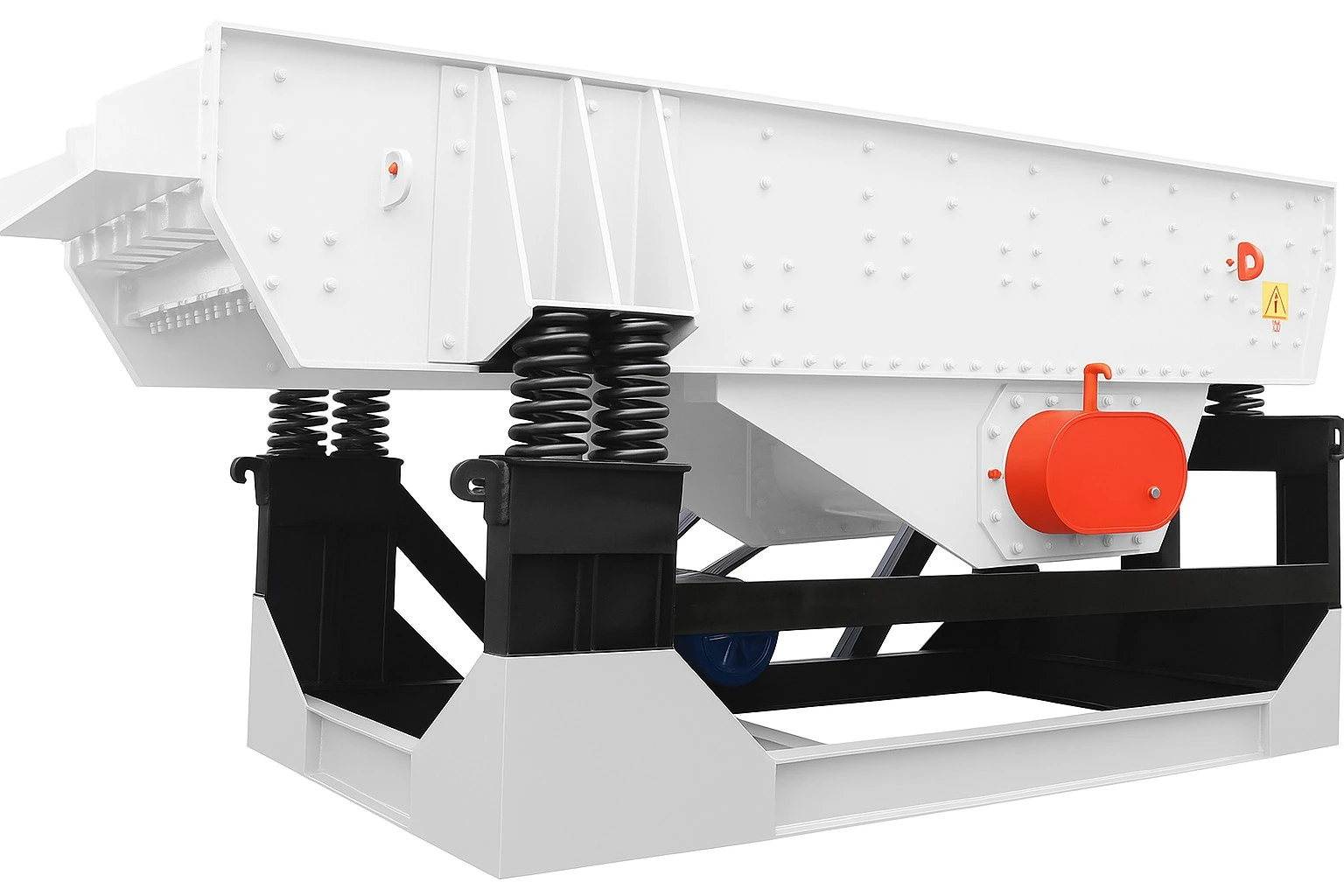
ZSW vibrating feeder
The ZSW vibrating feeder delivers large materials evenly to a crusher. Its robust grizzly structure combines feeding with preliminary screening.
View details
KARMET
Explore Karmet mining equipment, LB asphalt plants, RAP recycling systems and wear parts, with steel processing and local service across the industrial value chain.
The ZSW vibrating feeder delivers large materials evenly to a crusher. Its robust grizzly structure combines feeding with preliminary screening.
View details
The GZD series is designed for feeding small and medium-sized materials, with compact construction, straightforward installation and low energy consumption.
View details
Wear-resistant steel pans carry heavy, large or wet materials over short distances in a continuous, controlled flow.
View details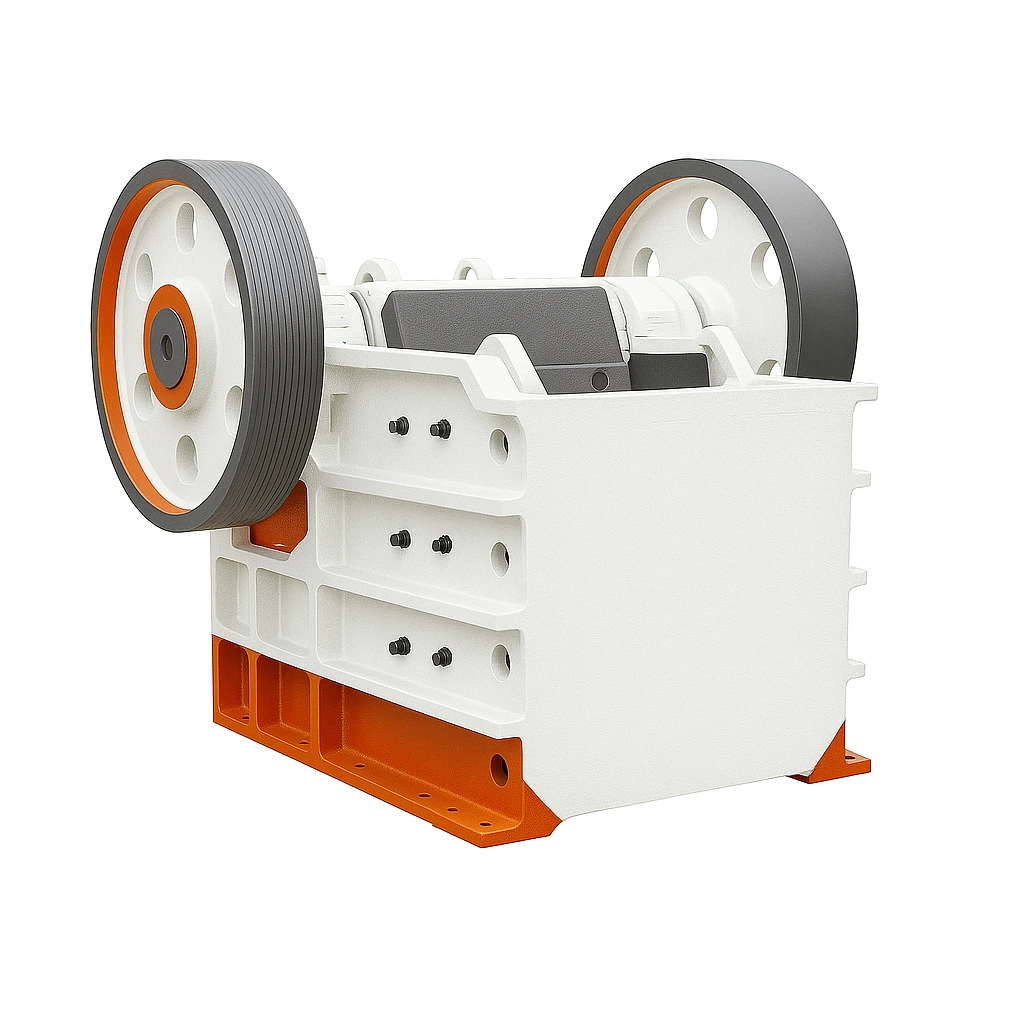
A cast-frame jaw crusher uses a conventional design for materials of medium hardness, including limestone, coal and construction waste.
View details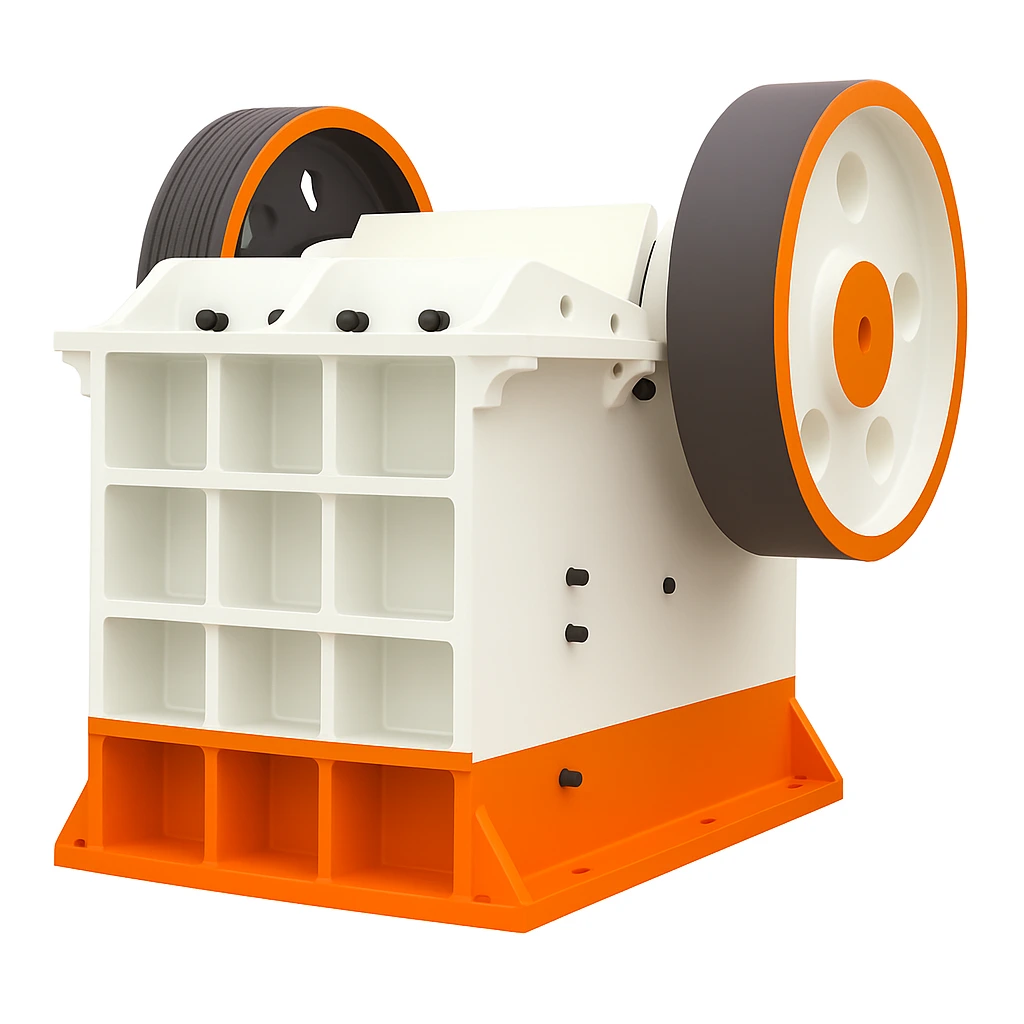
A welded steel plate frame supports primary crushing of medium-hard and hard rock, combining strength, stability and manufacturing flexibility.
View details
The PEV jaw crusher performs primary crushing of ore, rock and construction waste, with a robust structure and a high reduction ratio.
View details
For secondary and fine crushing of hard and medium-hard materials such as granite, basalt and iron ore, with a consistent product shape.
View details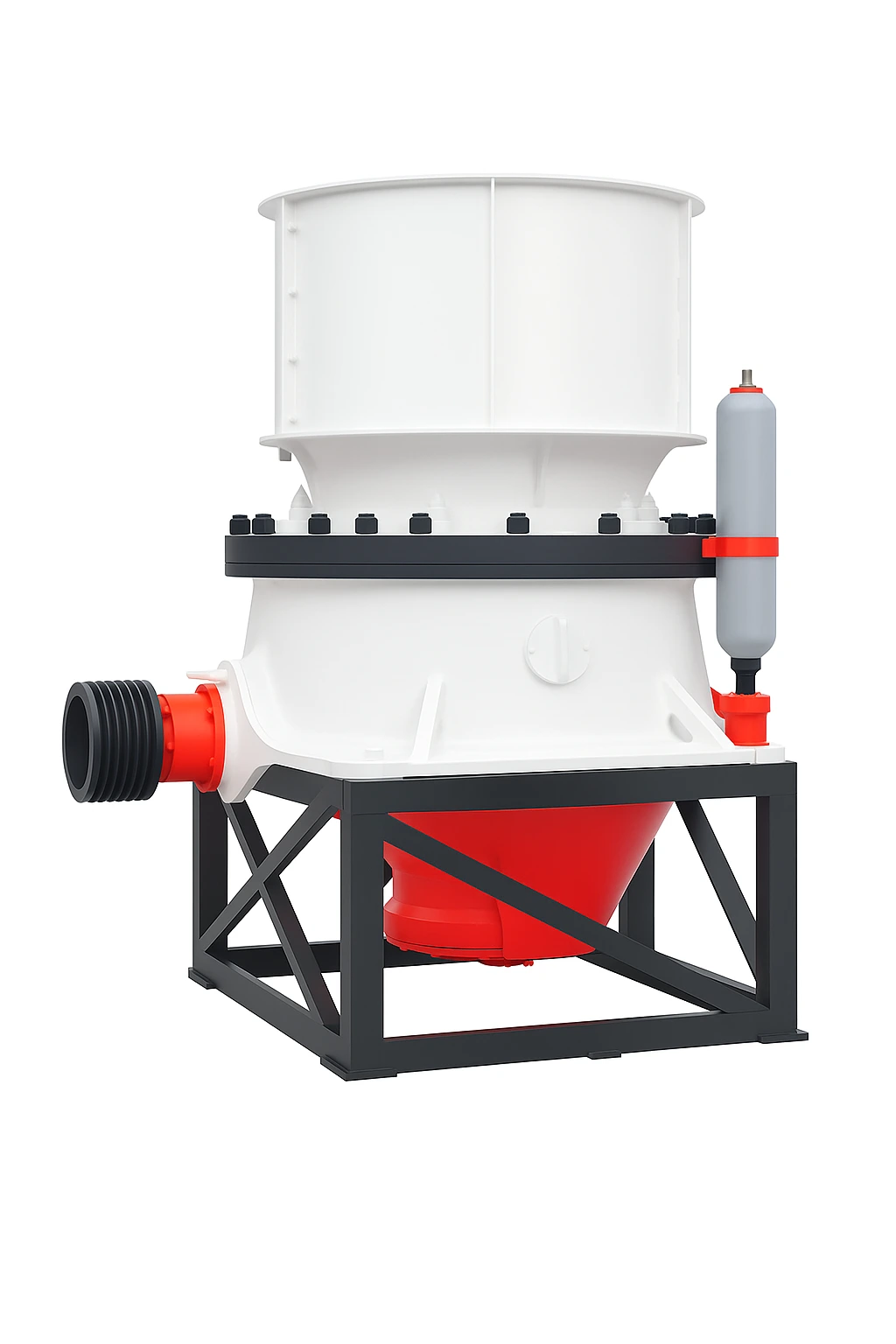
A secondary and fine crushing solution for medium-hard and hard materials in mining, metallurgy and construction applications.
View details
A conventional secondary and fine crusher for mining, building materials and metallurgy, with spring-based overload protection.
View details
The PF impact crusher uses a high-speed rotor to crush medium-hard materials such as limestone, coal and construction waste.
View details
Developed from the PF design for building materials, road construction and mining production.
View details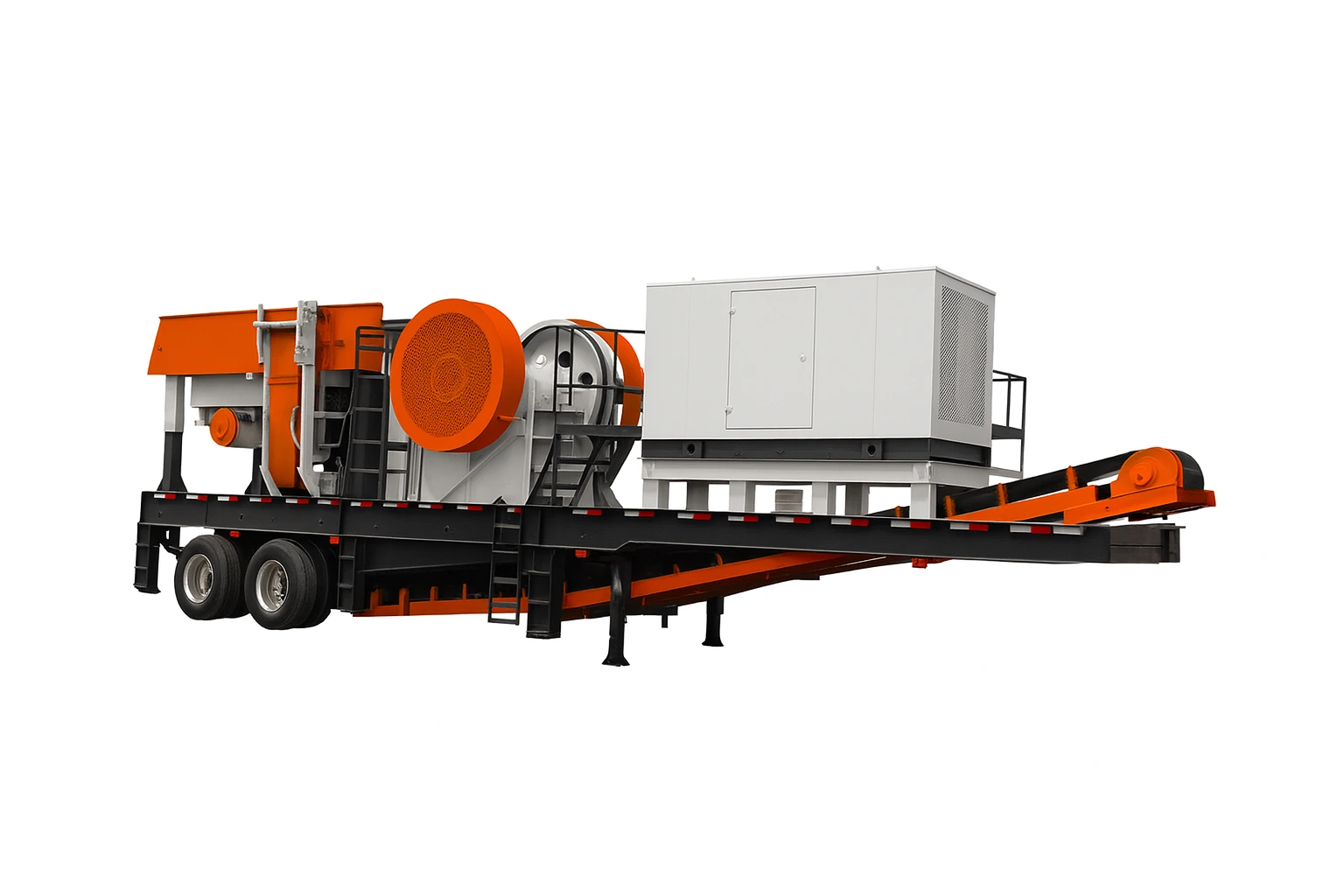
A relocatable plant for construction waste, aggregate processing and road works, configured with jaw, impact or cone crushing equipment.
View details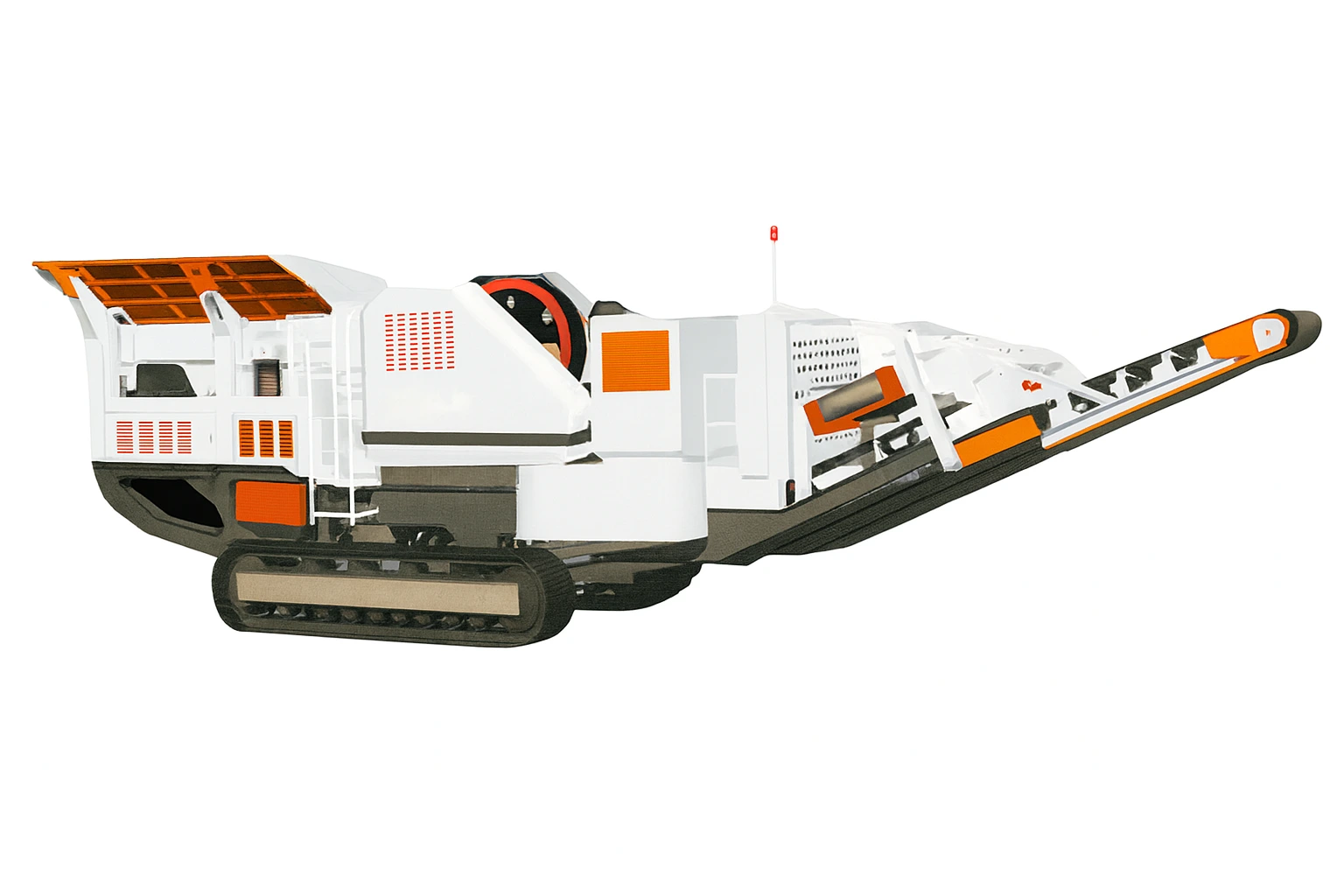
A self-propelled plant for mining, construction waste processing and excavation work. Jaw, cone or impact configurations suit different site conditions.
View details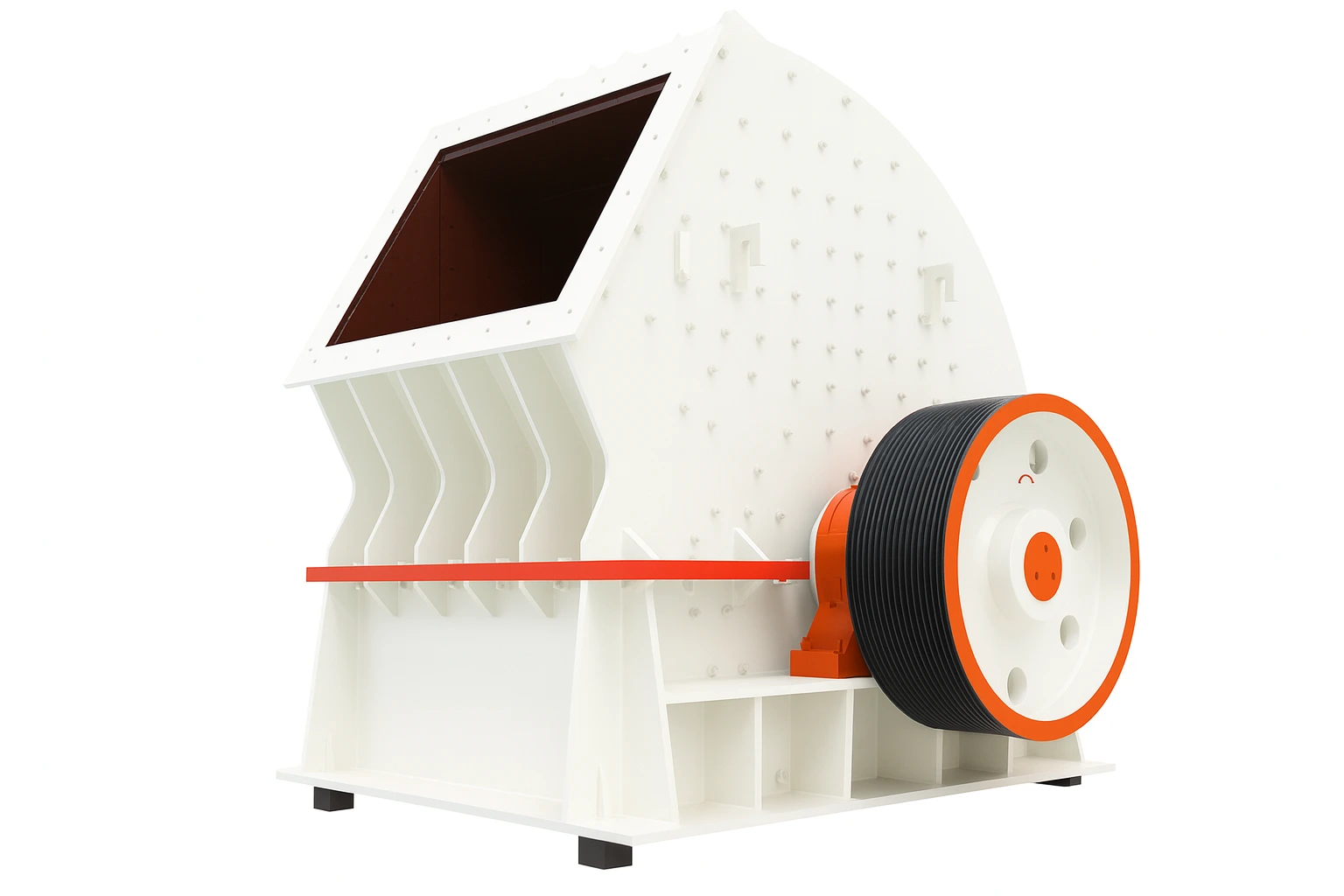
High-speed hammers directly crush brittle, medium-hard materials such as limestone, gypsum and coal in a single crushing stage.
View details
An enclosed box combines hammer and impact crushing for limestone, construction waste and coal-related waste materials.
View details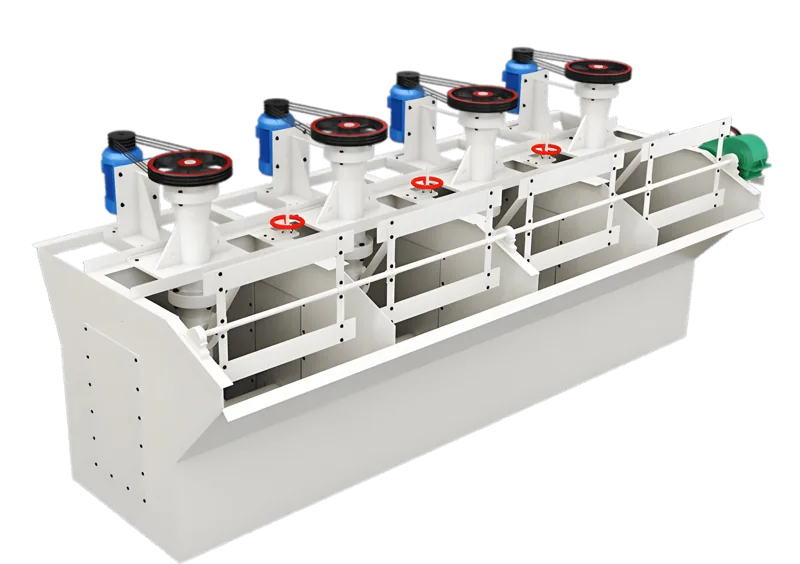
Reagents and air bubbles separate valuable minerals from gangue in non-ferrous, ferrous and non-metallic mineral processing.
View detailsDifferences in electrical conductivity create different particle paths in a high-voltage electrostatic field, supporting separation and recycling of minerals, plastics and metals.
View details
Separates materials by magnetic properties, for iron ore processing and removal of magnetic impurities from other materials.
View details
Removes clay, dust and other impurities from sand. Spiral blades advance the material while washing and classifying it.
View details
For washing aggregates in construction, mining and water infrastructure projects. A rotating wheel agitates, cleans and dewaters the material.
View details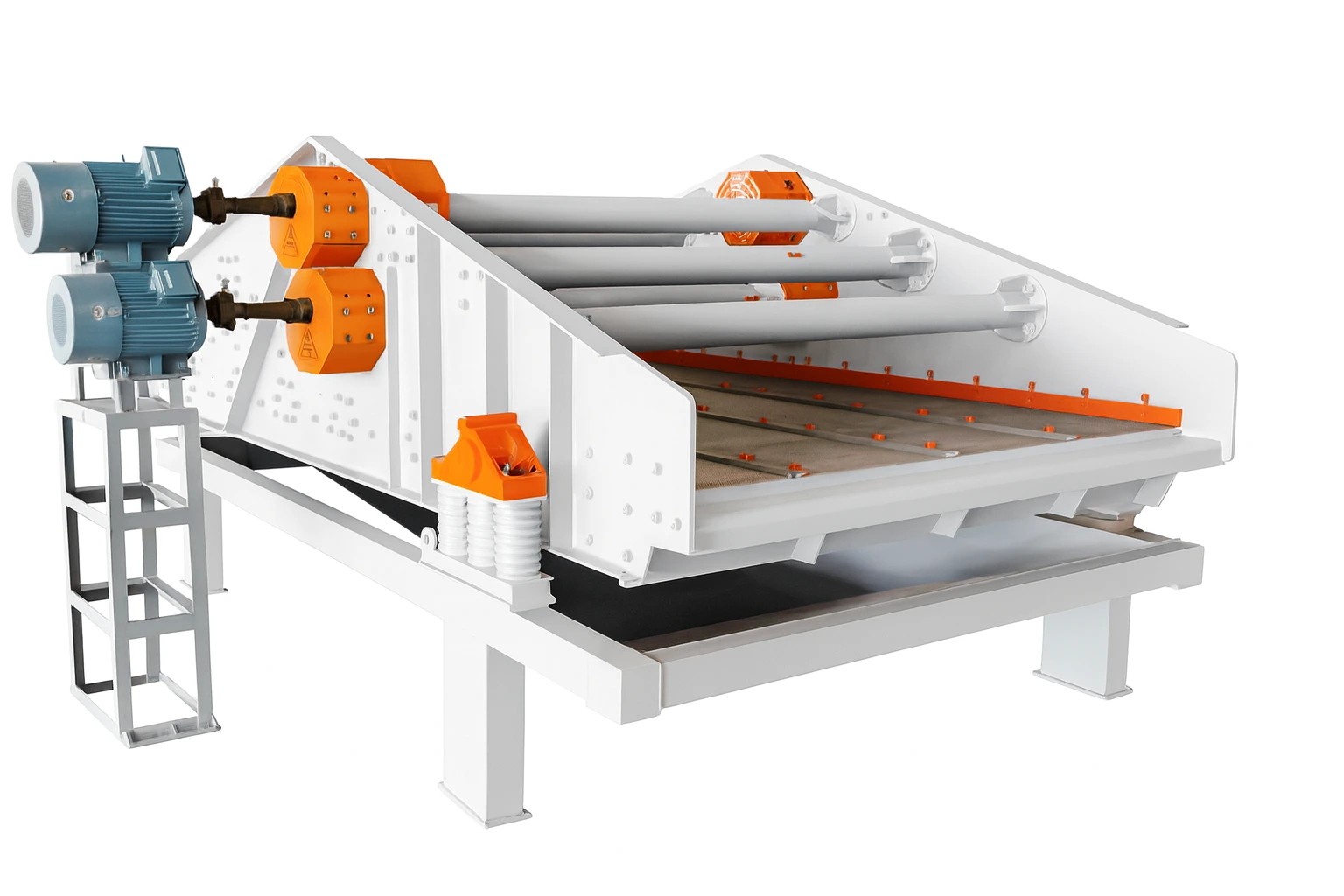
Removes excess water from wet materials in mining, sand washing and recycling applications.
View details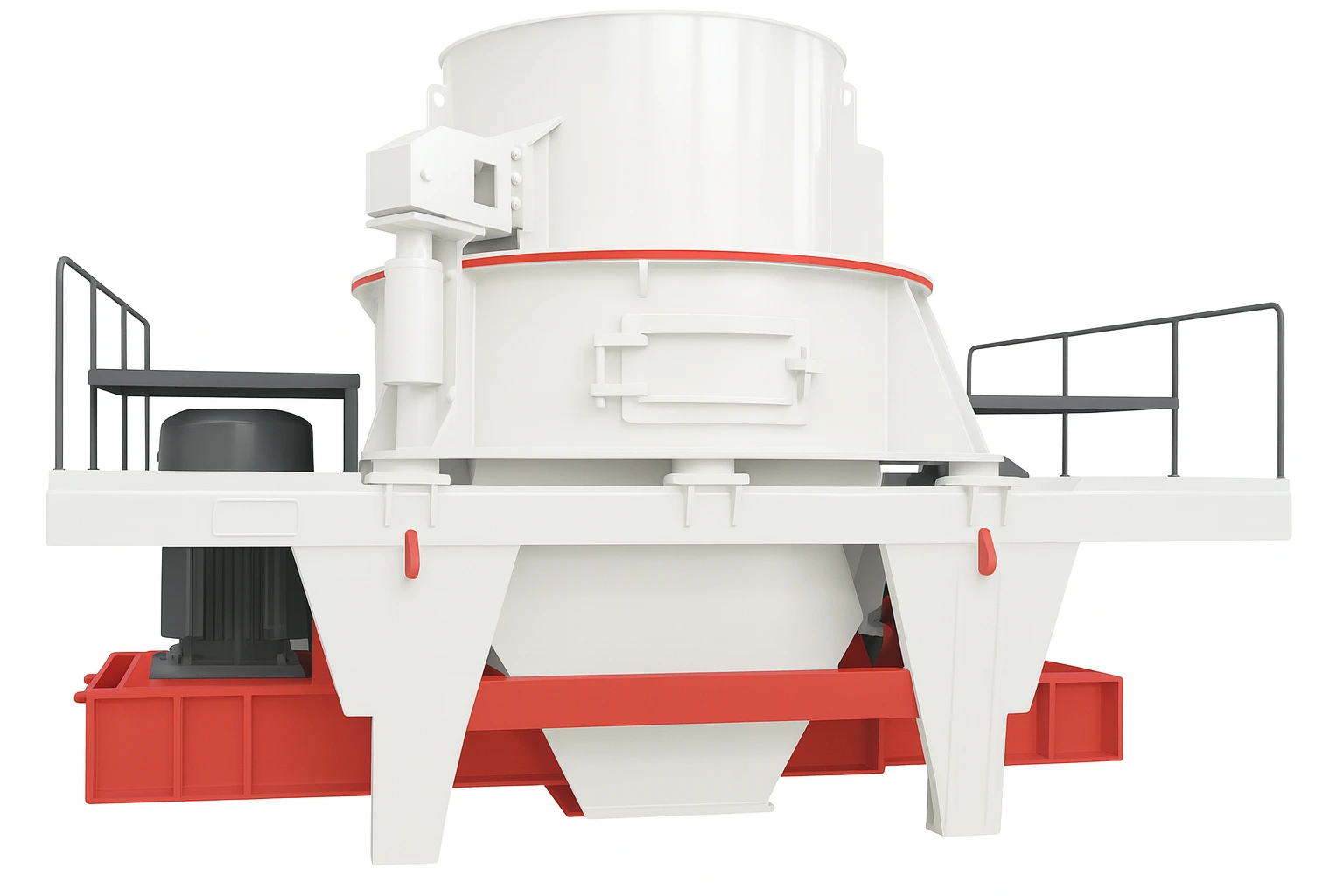
Processes rock, gravel and other materials into manufactured sand for construction, road works and concrete production.
View details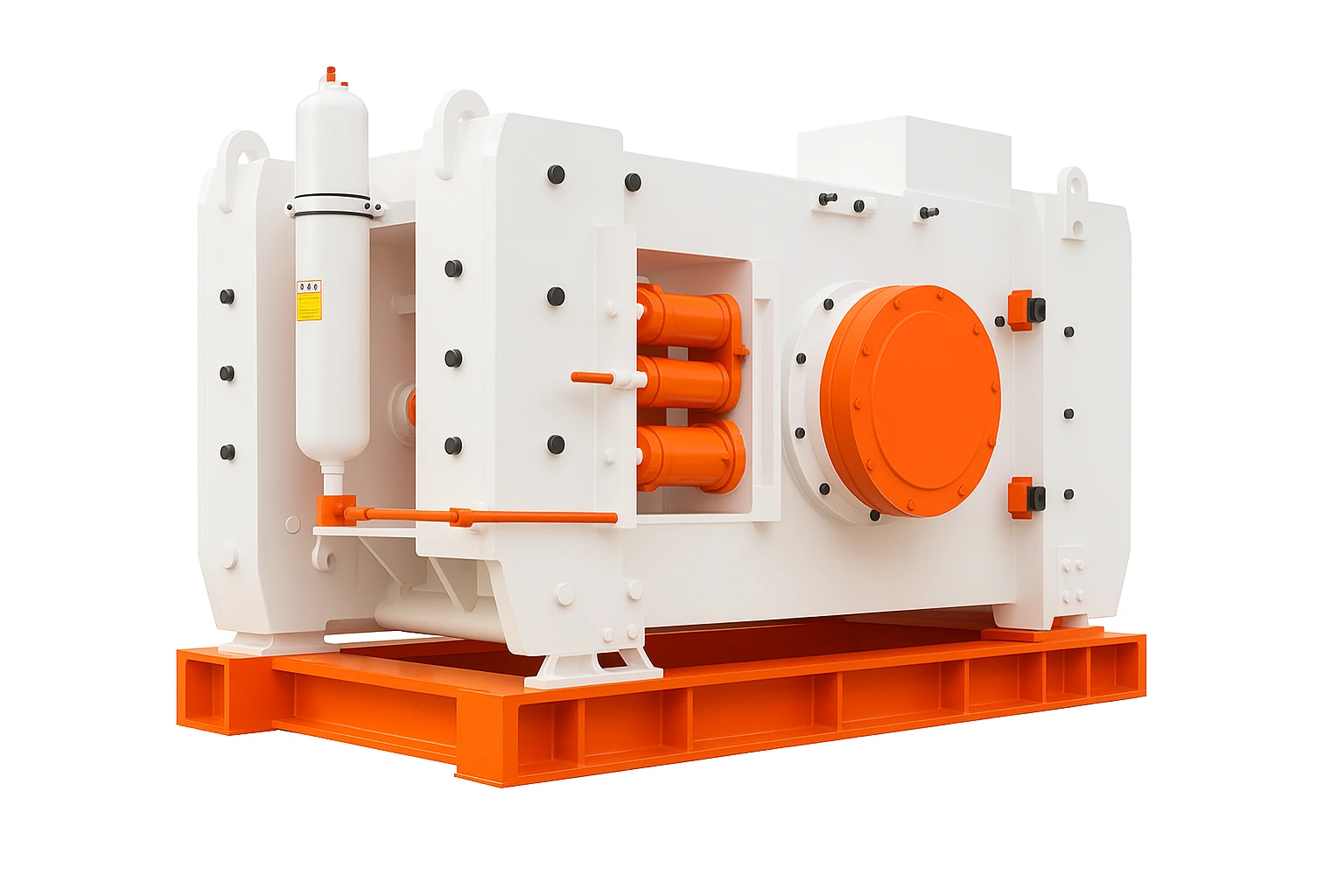
For hard materials: maximum feed 30 mm, recommended feed 22 mm; at least 60% of output is 0–5 mm, with overall output 0–8 mm. Wear parts start from 1,000 operating hours, with an integrated turning platform.
View details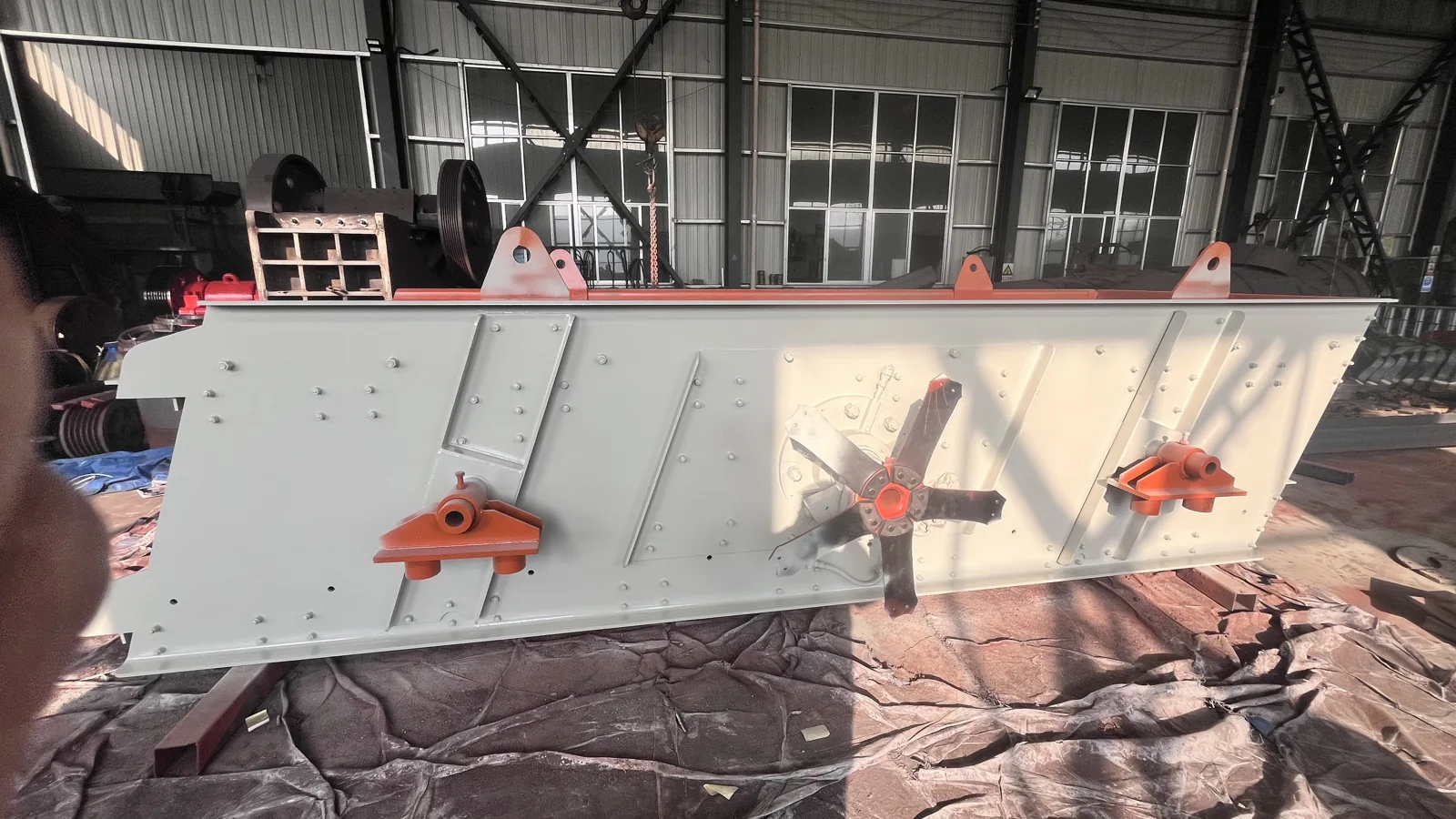
Sealed lubrication replaces daily lubricant application with small oil top-ups as specified in the maintenance instructions. Screen box side plates start at 12 mm for aggregate and mining classification.
View details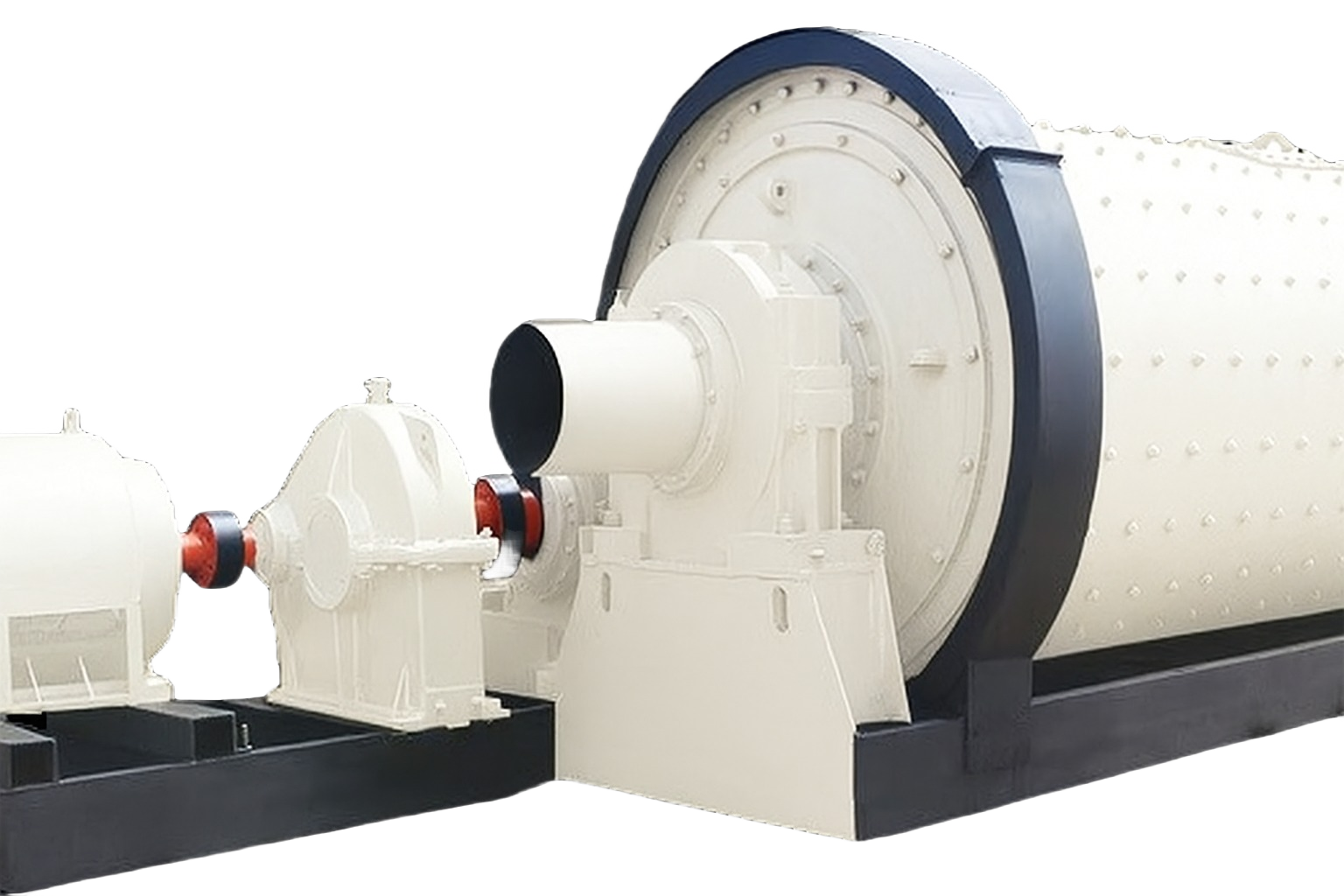
For fine grinding and mixing of ore and other materials in mining, building materials and chemical processing.
View details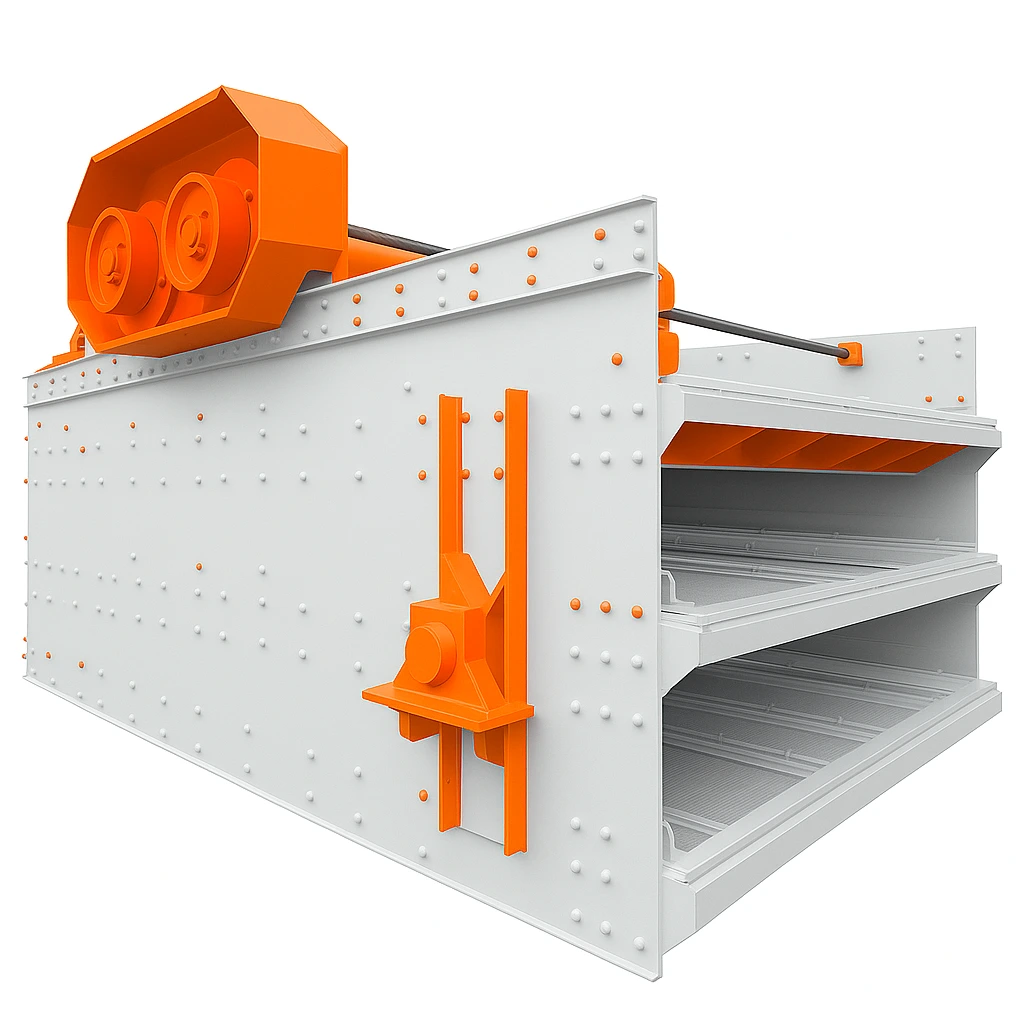
Efficiently classifies materials by size in mining, construction and metallurgy applications.
View detailsNo matching equipment found. Try another search or contact us.
EQUIPMENT RANGE / 2026 SELECTION GUIDE
The Karmet asphalt range includes batch mixing plants, integrated virgin/RAP plants, hot recycling and cold addition systems, and reclaimed asphalt crushing and screening equipment. Start with output, materials, fuel and site conditions to select a suitable configuration.
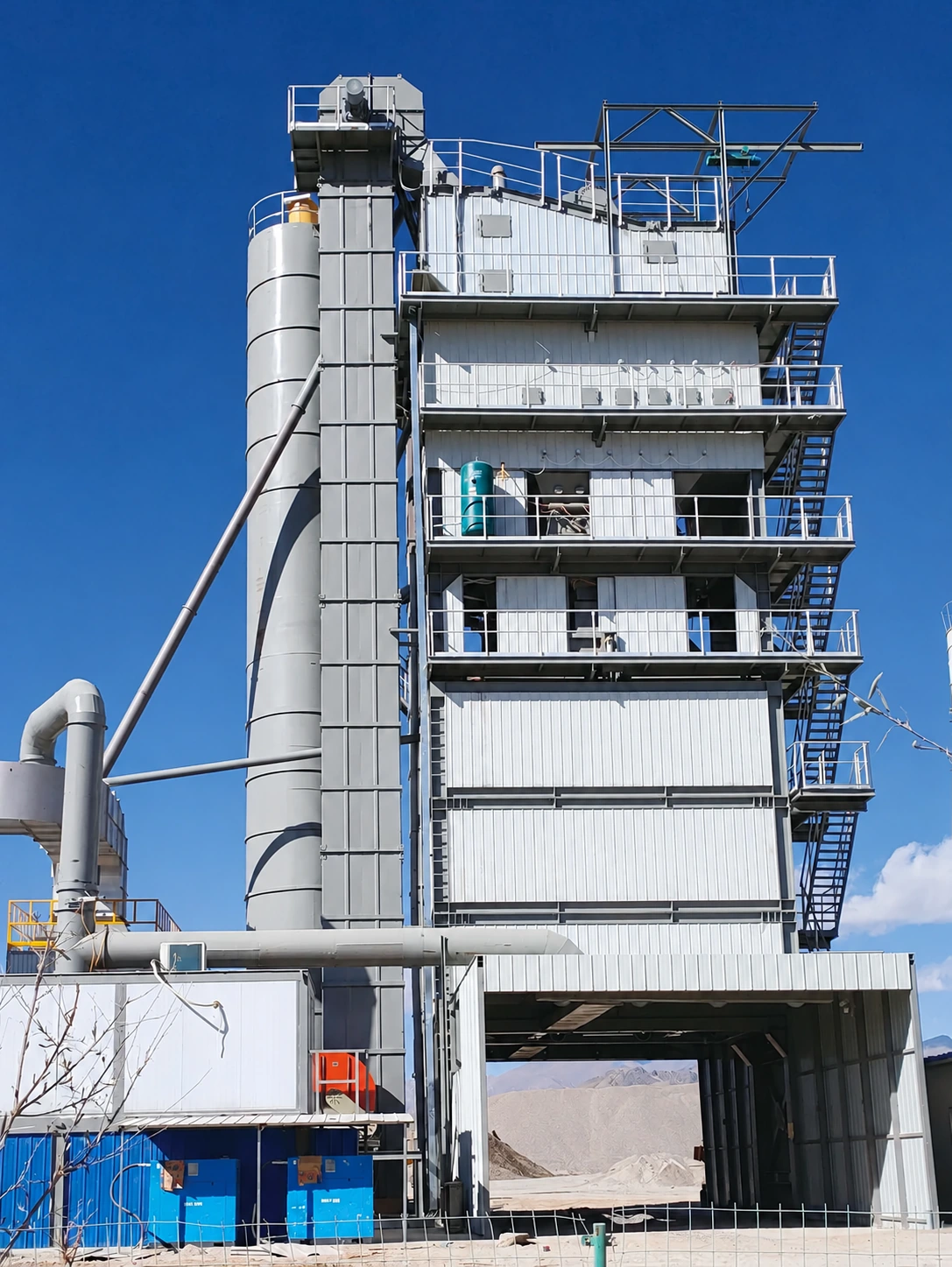
LB1000–LB5000 / Model range
Cold feeding, drying, hot aggregate screening and weighing work together to support different mix designs.
| Model | Reference output · t/h | Installed power · kW |
|---|---|---|
| LB1000 | 60–80 | 260 |
| LB1500 | 90–140 | 340 |
| LB2000 | 160–220 | 500 |
| LB3000 | 200–280 | 660 |
| LB4000 | 300–360 | 850 |
| LB5000 | 360–420 | 980 |
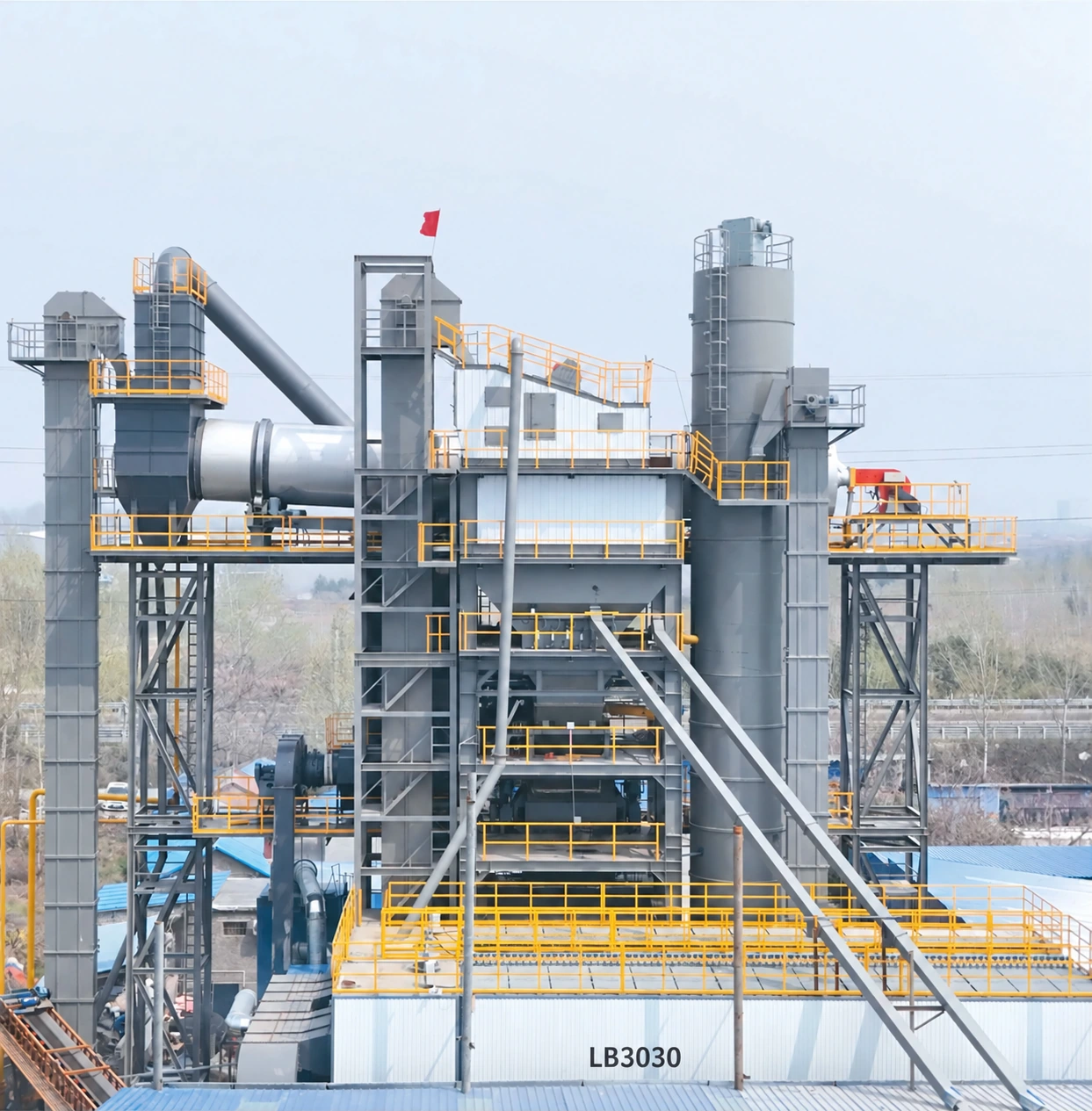
LB3020 / LB3030 / LB4020
An integrated virgin/RAP plant connects feeding, heating and weighing of virgin aggregate and RAP to the same mixing process. Check plant capacity, RAP heating arrangements and the target mix together.
| Model | Reference output · t/h | Installed power · kW |
|---|---|---|
| LB3020 | 240–360 | 860 |
| LB3030 | 240–400 | 860 |
| LB4020 | 300–400 | 1100 |
Based on the 2026 brochure configurations. Output varies with moisture, grading, mix design, fuel and altitude. Installed power is not actual energy consumption; final specifications are confirmed in the technical agreement.
RAP means reclaimed asphalt pavement, commonly obtained from milling old road surfaces. The recycling proportion is confirmed through material testing, mix design and equipment configuration.
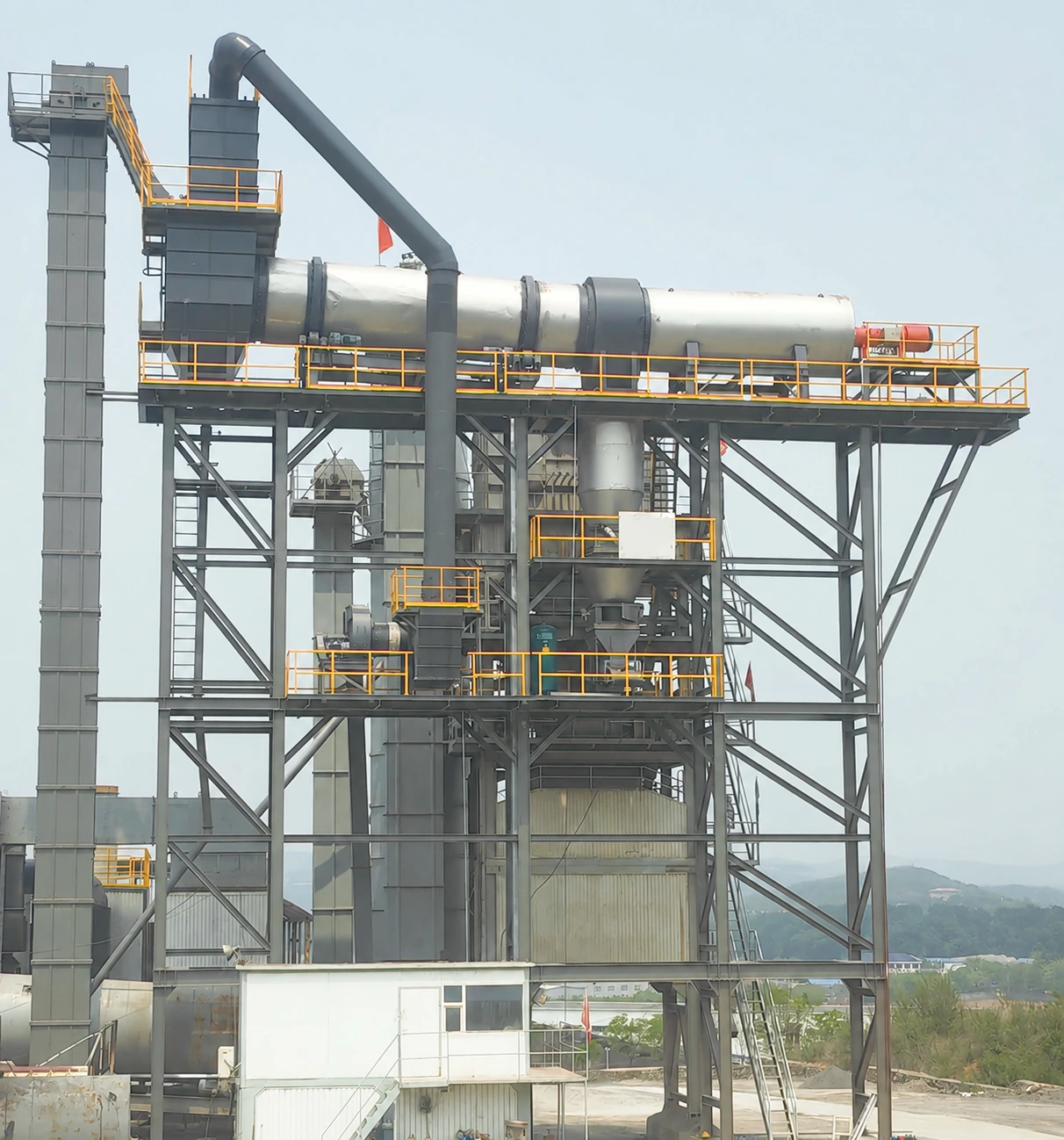
Process illustration; interfaces, heat balance and RAP proportion are confirmed for each project.
01 / RAP
The RLB series heats and meters reclaimed asphalt material. When connecting it to an existing plant, check available space, feed entry, exhaust treatment and control interfaces.
02 / RAP
Feed, elevate, hold and weigh RAP in a cold state before adding it to the main mixing process. Plant heat balance, addition proportion and feed interfaces require separate calculation.
Bin → Elevate → Weigh → Mix
03 / RAP
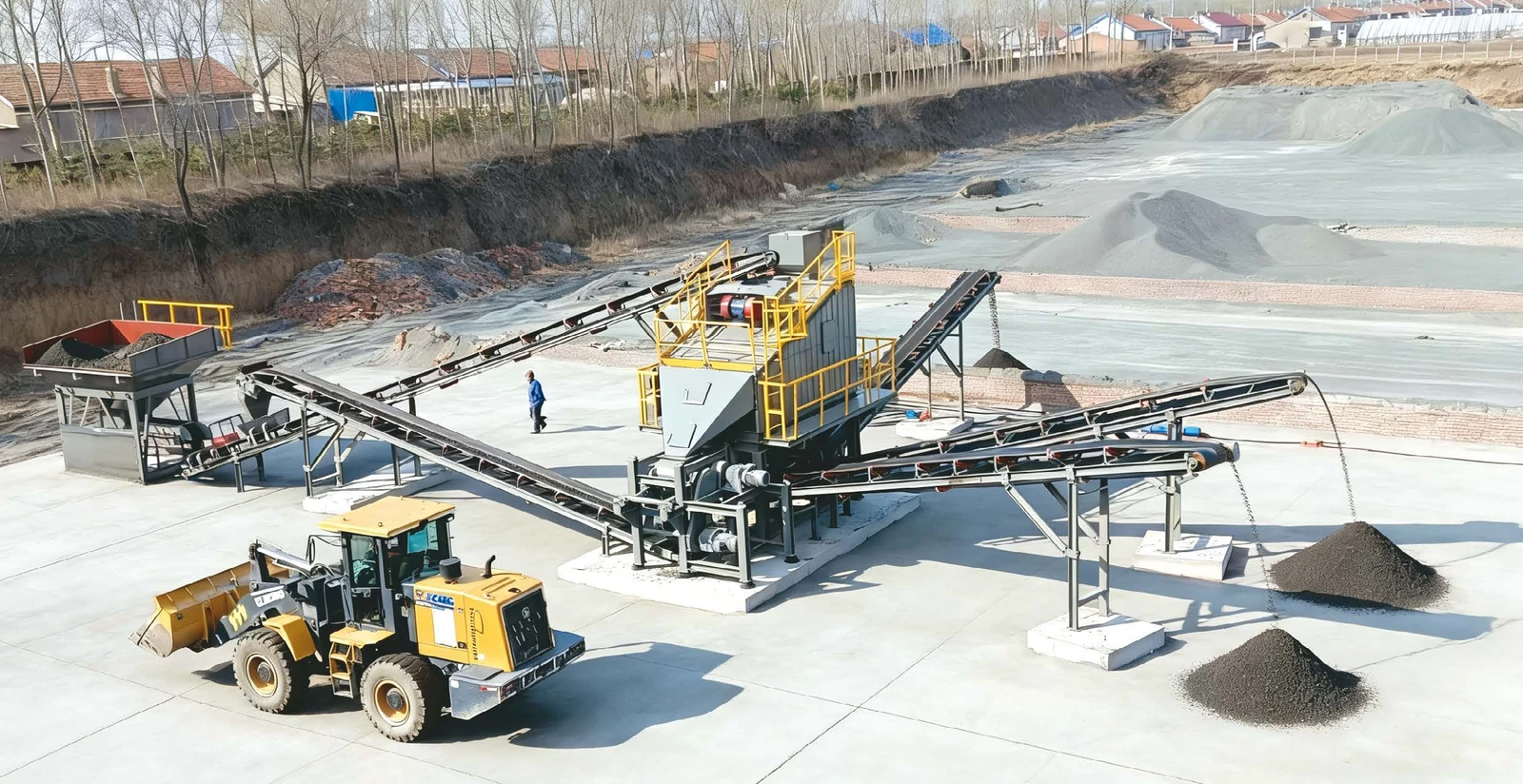
Break up agglomerates and establish grading before recycling. Feeding, screening, roll crushing and return conveying form a material preparation process.
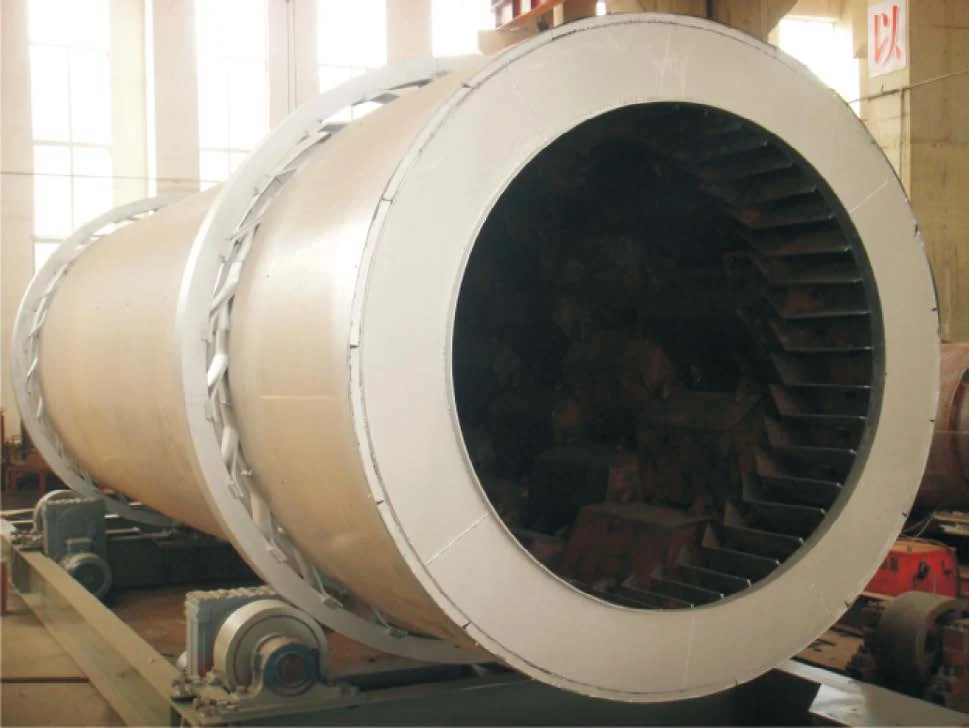
Lifting flights turn the material; four-wheel friction drive rotates the drum. Rock wool insulation reduces heat loss, with wear liners in the feed chute.
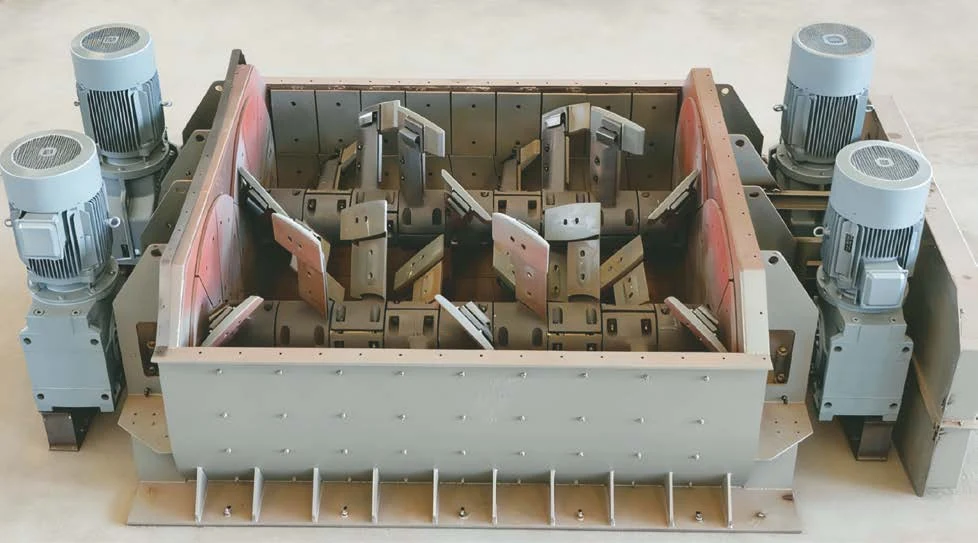
Depending on the model, twin or four-motor drives work with wear-resistant blades and mixing arms. Interfaces for RAP, fibre and foamed bitumen can be reserved as specified.
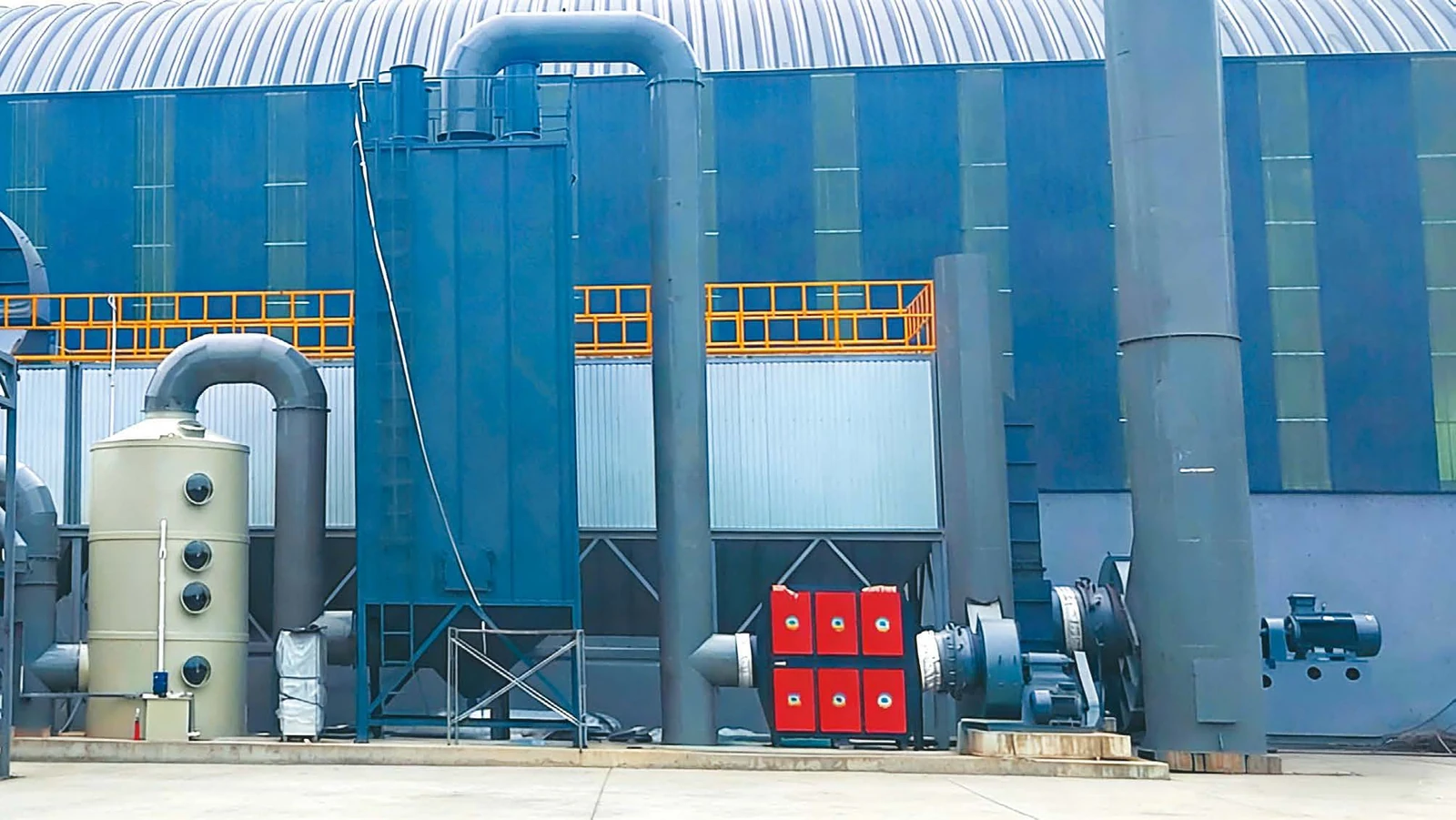
Plasma / photo-oxidation treatment and electrostatic tar removal are selected for the operating conditions.
Target hourly output, daily operating hours, mix type and target RAP proportion.
Aggregate / RAP moisture, maximum size, available fuel and quality data.
Site dimensions, altitude, foundations, power capacity, transport and lifting access.
Emission requirements, enclosure scope, destination, installation, training and spare parts.
LONG-TERM OPERATION / PARTS AND SUPPORT
From crusher wear parts to screen media, idlers and conveyor belts. Confirm compatible parts and a spares plan around the equipment model, material abrasiveness and maintenance schedule.
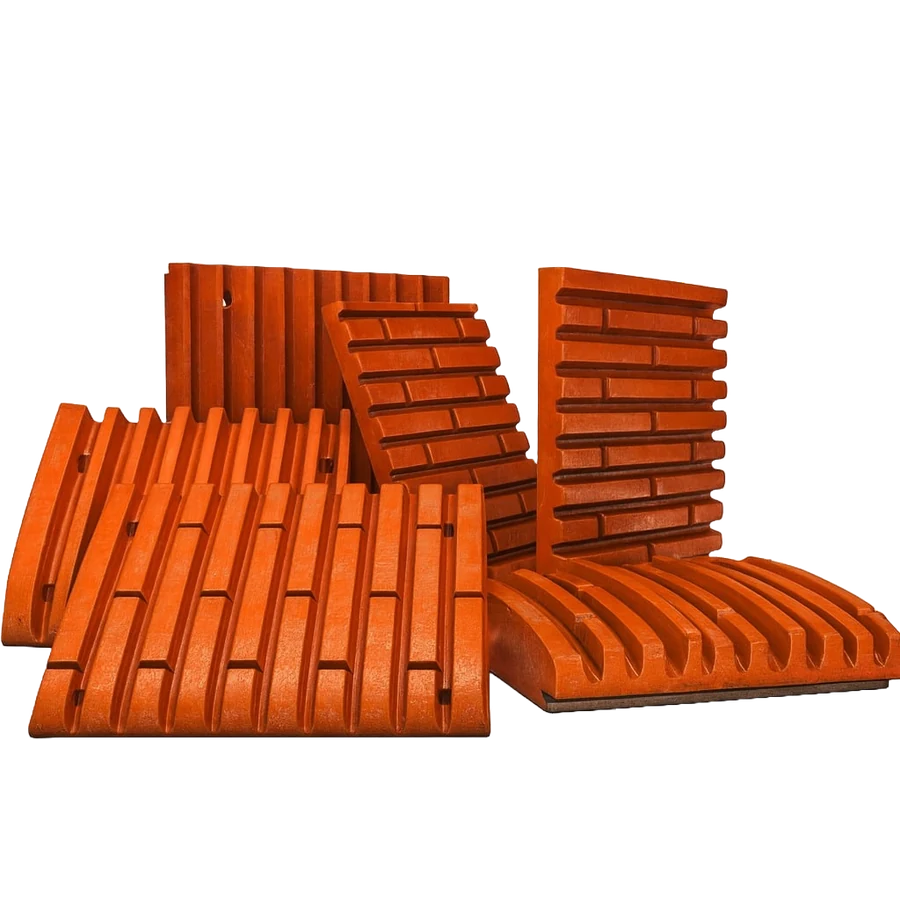
Jaw crushers
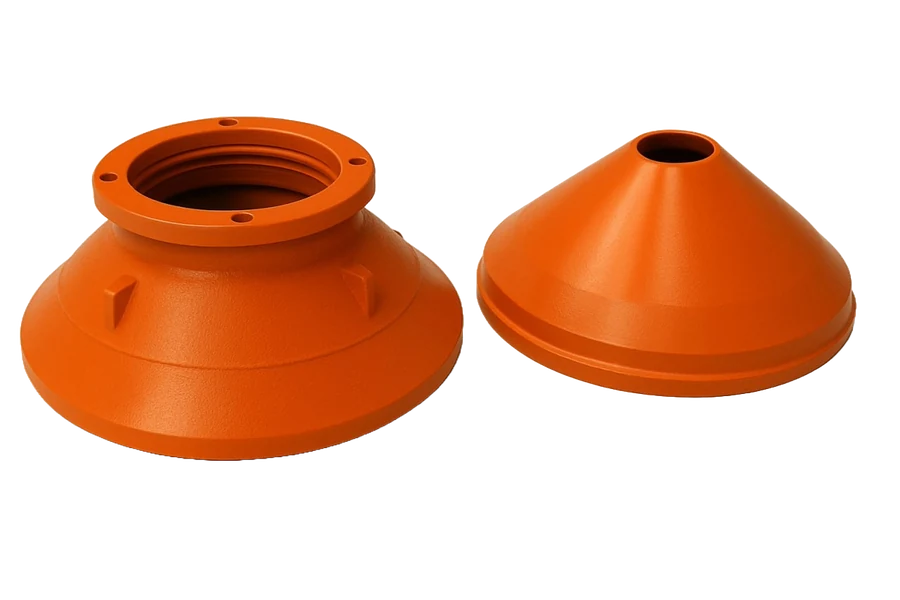
Cone crushers
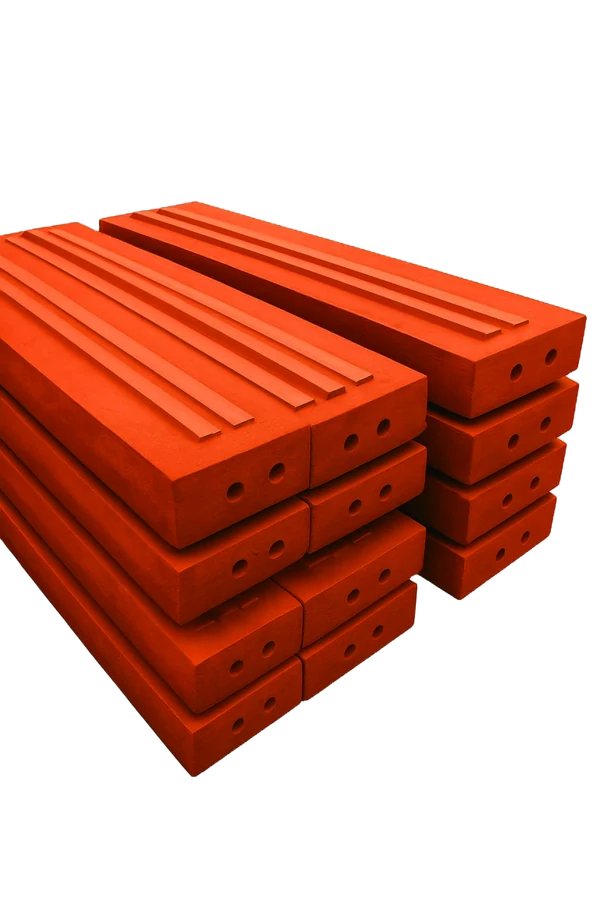
Impact crushers
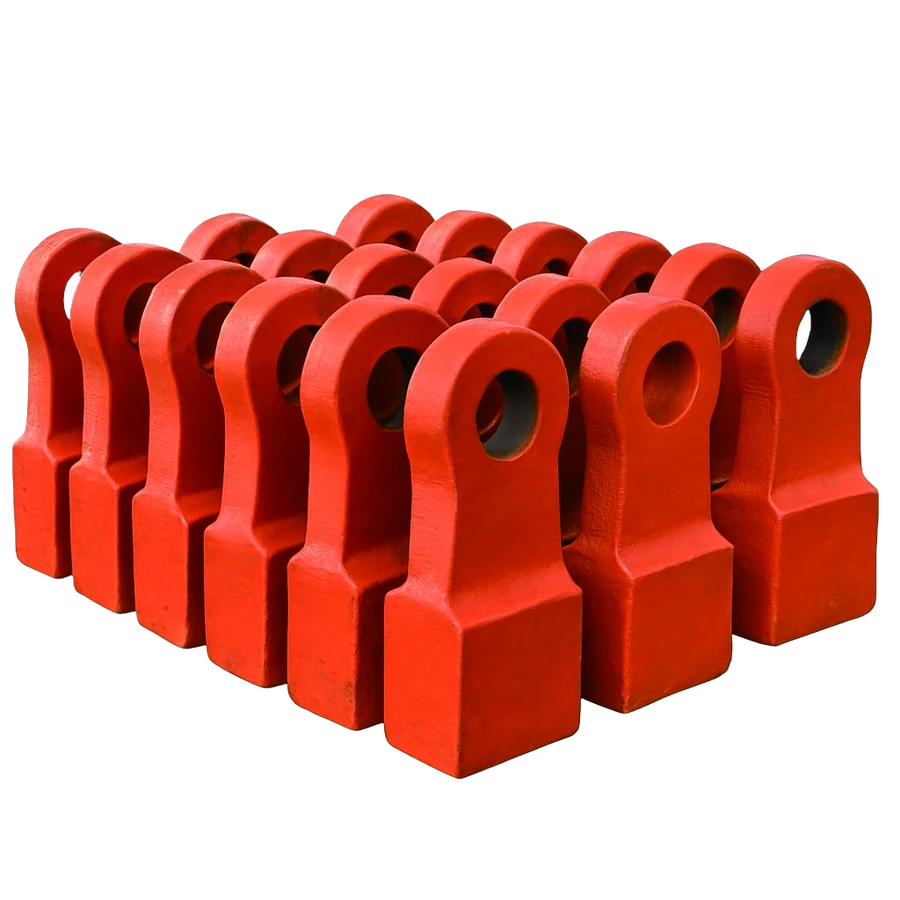
Hammer crushers
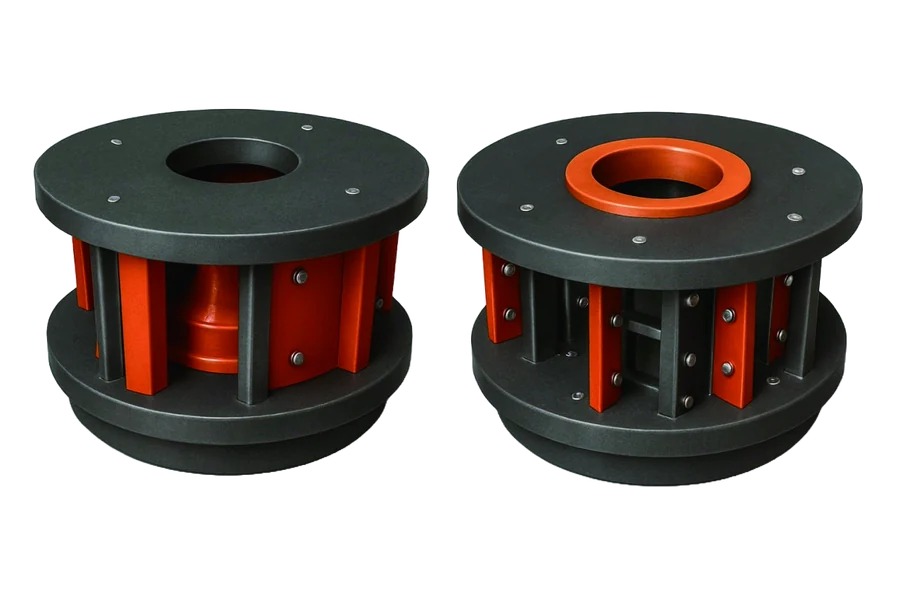
Sand making and shaping
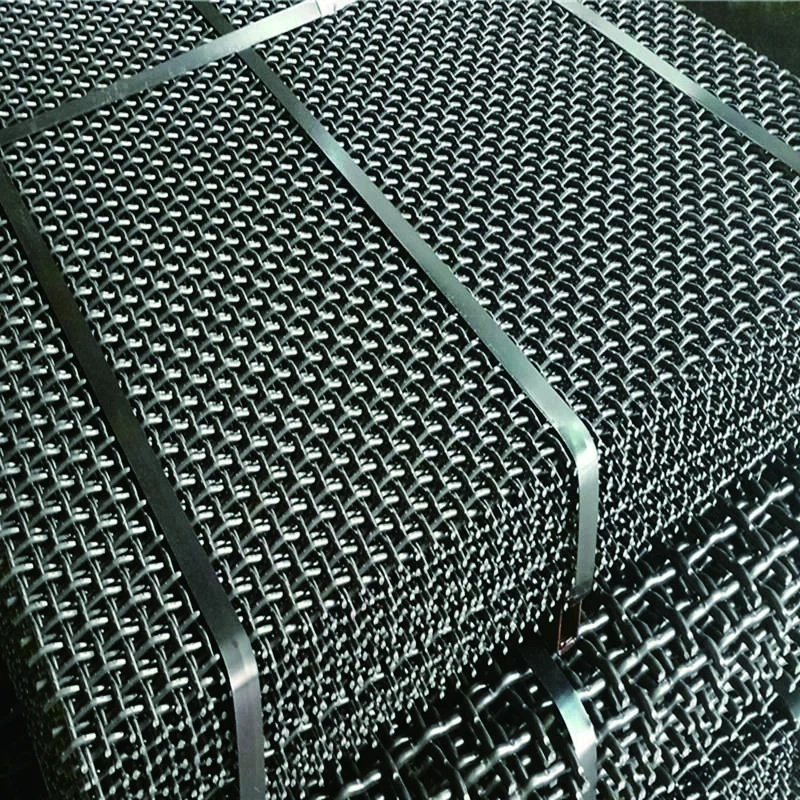
Screening and classification
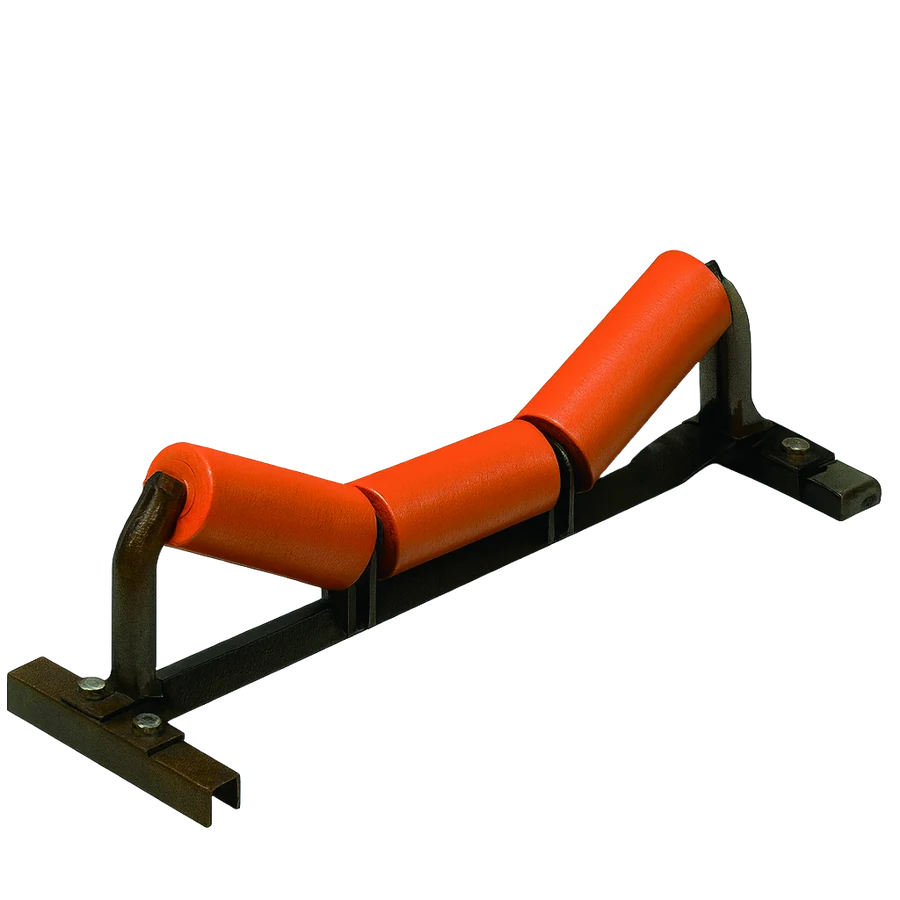
Conveyor systems
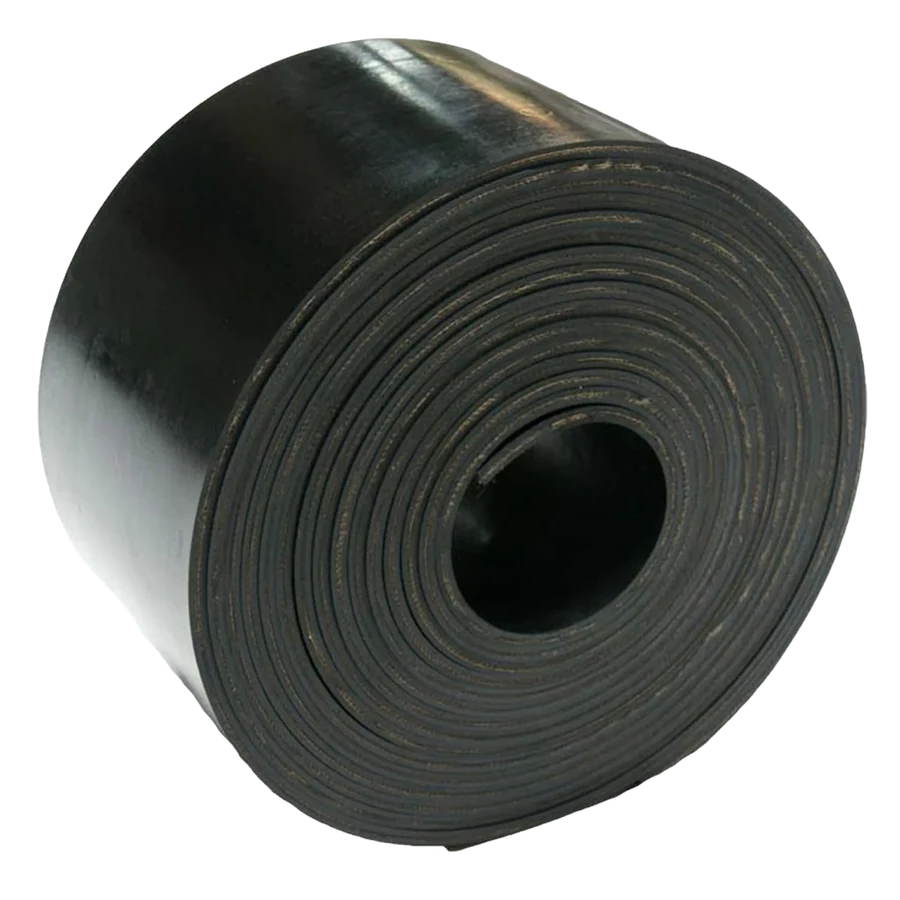
Material handling
Images illustrate part categories. The exact structure depends on the compatible model. Compatibility is confirmed by equipment model, dimensions and drawings.
Pay particular attention to parts that are difficult to source in Uzbekistan or take longer to deliver. Prepare according to the model and wear characteristics to reduce downtime while waiting for parts. Stock and lead times are confirmed at inquiry.
Please send the nameplate, part photos, mounting dimensions, quantity and required delivery date.
Discuss wear parts and spares planningTalablaringizni Telegram orqali yuboring